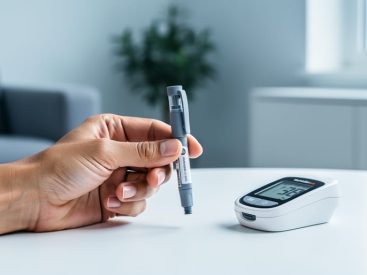


A type 2 diabetes diagnosis naturally raises questions about your future, but here’s what research shows: you have significant control over your outcome. Recent studies indicate that people diagnosed with type 2 diabetes at age 50 may live nearly as long as those without the condition when they maintain good blood sugar control. The difference in life expectancy has narrowed dramatically over the past two decades, thanks to better medications, monitoring technology, and understanding of diabetes management.
The statistics tell an encouraging story. A comprehensive analysis of over 300,000 individuals found that those who kept their HbA1c levels below 7%, maintained healthy blood pressure, and managed cholesterol lived only 3-4 years less than the general population. Some studies of well-managed patients show virtually no difference in life expectancy compared to non-diabetics. This represents a remarkable shift from decades past when diabetes dramatically shortened lives.
What determines your specific outcome depends largely on factors within your control: blood sugar management, cardiovascular health, weight maintenance, and early intervention for complications. The time between diagnosis and taking action matters enormously. Research consistently shows that people who achieve stable glucose control within the first year of diagnosis experience significantly better long-term outcomes than those who delay.
Your prognosis isn’t written in stone by your diagnosis date. Modern continuous glucose monitors, newer medication classes, and evidence-based lifestyle approaches have transformed type 2 diabetes from a progressive, life-shortening disease into a manageable condition. Throughout this article, you’ll discover the specific factors that influence longevity, what the latest research reveals about life expectancy, and concrete steps to maximize both your years and your quality of life.
The Truth About Type 2 Diabetes and Longevity

What the Research Actually Shows
Research shows that while type 2 diabetes does impact life expectancy, the picture is far more hopeful than many people realize. A comprehensive study published in the journal Diabetologia found that people diagnosed with type 2 diabetes at age 50 can expect to live into their late 70s or early 80s, with some individuals experiencing minimal impact on their lifespan when diabetes is well-managed.
The most encouraging news is how dramatically these numbers have improved. Over the past two decades, life expectancy for people with type 2 diabetes has increased by more than six years, thanks to better medications, advanced glucose monitoring technology, and improved treatment approaches. A 2015 study in JAMA showed that the gap in life expectancy between people with and without diabetes has narrowed significantly.
What matters most is not just the diagnosis itself, but how well diabetes is controlled. Research consistently shows that individuals who maintain healthy blood sugar levels, manage their blood pressure, and work closely with their healthcare team can have life expectancies approaching those without diabetes.
One particularly hopeful study from Scotland tracked over 300,000 people and found that those who managed their diabetes effectively reduced their risk of early death by up to 50 percent compared to those with poorly controlled diabetes. This underscores an important truth: you have significant control over your health outcomes through consistent management and lifestyle choices.
Why These Numbers Don’t Tell Your Whole Story
When you read that Type 2 diabetes might affect life expectancy, it’s natural to feel worried. But here’s something important to understand: these statistics represent averages across thousands of people with vastly different lifestyles, management approaches, and access to care. They don’t predict your individual future.
Think of it this way: these numbers include people who never knew they had diabetes until serious complications developed, those who couldn’t access quality healthcare, and individuals diagnosed decades ago before modern treatments existed. They also include people who managed their condition exceptionally well and lived long, healthy lives. You’re not a statistic—you’re a person with unique circumstances and choices ahead of you.
Research consistently shows that people who actively manage their blood sugar, maintain a healthy weight, stay physically active, and work closely with their healthcare team can expect outcomes similar to those without diabetes. One study found that individuals who controlled their major risk factors reduced their risk of cardiovascular complications by up to 75%.
What matters most isn’t the year you were diagnosed—it’s what you do next. Sarah, diagnosed at 52, completely transformed her health through consistent lifestyle changes and careful monitoring. Ten years later, her doctors say her blood work looks better than many people without diabetes. Stories like hers remind us that you have more control over your health journey than any statistic suggests.
The Real Factors That Determine Your Life Expectancy
Blood Sugar Management: Your Most Powerful Tool
Managing your blood sugar consistently is the single most powerful factor in determining your long-term health with type 2 diabetes. Research shows that keeping your A1C levels within target range can significantly reduce your risk of complications and extend your life expectancy by years, even decades.
Think of blood sugar control as a daily investment in your future. An A1C under 7% for most people (though your doctor may set different targets based on your individual needs) can reduce heart disease risk by up to 42% and kidney disease by 50%. These aren’t just statistics—they translate into more time with loved ones and better quality of life.
The good news? You don’t need perfection. Small, consistent improvements make a real difference. Sarah, diagnosed at 52, brought her A1C from 9.2% to 6.8% over six months through manageable changes. Today, eight years later, she’s complication-free and thriving.
Modern tools make monitoring easier than ever. Continuous glucose monitors now provide real-time feedback, helping you understand how food, activity, and stress affect your levels without constant finger pricks. This technology empowers you to make informed adjustments throughout your day, turning blood sugar management from guesswork into personalized precision.

Complications and How to Prevent Them
Type 2 diabetes can lead to serious complications that may affect life expectancy, but here’s the encouraging news: most are preventable with consistent management. The main complications include heart disease, kidney disease, nerve damage (neuropathy), and vision problems. Heart disease remains the leading concern, as people with diabetes have two to four times the risk of cardiovascular events compared to those without the condition.
Kidney disease develops when high blood sugar damages the tiny blood vessels in your kidneys over time. Similarly, neuropathy occurs when elevated glucose levels harm nerves, typically starting in the feet and legs. These complications don’t happen overnight, and you have significant power to prevent them.
Prevention starts with blood sugar control. Keeping your A1C levels within your target range dramatically reduces complication risks. Regular monitoring, taking medications as prescribed, and following a balanced eating plan form your foundation. Blood pressure management is equally critical, as high blood pressure accelerates both heart and kidney damage.
Don’t underestimate routine check-ups. Annual eye exams catch retinopathy early, while regular foot inspections prevent minor issues from becoming serious. Kidney function tests help identify problems before symptoms appear.
Sarah, diagnosed at 52, prevented complications by walking daily, checking her blood sugar consistently, and working closely with her healthcare team. Fifteen years later, she’s complication-free and thriving. Modern glucose monitoring technology makes tracking easier than ever, giving you real-time feedback to make informed decisions. Remember, preventing complications isn’t about perfection; it’s about consistent, manageable steps that protect your future health.
Your Diagnosis Timeline Matters
The age when you receive your type 2 diabetes diagnosis plays a meaningful role in your long-term outlook, but here’s the encouraging news: positive outcomes are possible at any age with proper management.
Research shows that people diagnosed in their 40s or 50s have more years to benefit from early intervention compared to those diagnosed later in life. However, studies also demonstrate that individuals who begin treatment promptly, regardless of age, experience significantly better outcomes than those who delay care.
What matters most isn’t when you were diagnosed, but what you do after diagnosis. Starting medication, adopting healthier eating patterns, and increasing physical activity within the first year can dramatically improve your prognosis.
Meet Jennifer, diagnosed at 62, who initially felt discouraged about starting her diabetes journey later in life. Within 18 months of working with her healthcare team and using a continuous glucose monitor to track her progress, her A1C dropped from 8.9% to 6.2%. She’s now thriving five years later, proving that commitment to management matters more than the number on your birthday cake.
Whether you’re 35 or 75, taking action today makes a difference in your tomorrow.
Lifestyle Changes That Actually Add Years to Your Life
The Diet Adjustments That Move the Needle
You don’t need a perfect diet to see meaningful improvements in your health outcomes. Research consistently shows that even modest dietary changes can significantly impact blood sugar control and long-term health.
The Mediterranean-style eating pattern has shown particularly strong results in studies. This approach emphasizes vegetables, whole grains, lean proteins, and healthy fats like olive oil and nuts. One large study found that people with type 2 diabetes following this pattern reduced their risk of heart disease by 30%. What makes it sustainable is that nothing is strictly off-limits.
Reducing added sugars and refined carbohydrates tends to have the most immediate impact on blood sugar levels. This doesn’t mean eliminating carbs entirely. Instead, focus on choosing complex carbohydrates like beans, lentils, and whole grains that digest more slowly.
Plate composition matters too. Filling half your plate with non-starchy vegetables, a quarter with lean protein, and a quarter with whole grains creates balanced meals that support stable blood sugar throughout the day.
Sarah, diagnosed at 52, shared that simply adding more vegetables to meals she already enjoyed and switching to whole grain versions of her favorite foods brought her A1C from 8.2% to 6.4% within six months. Small, consistent changes often prove more effective than dramatic overhauls that feel impossible to maintain.
Movement and Exercise: More Important Than You Think
Physical activity is one of the most powerful tools for extending and improving life with type 2 diabetes. Studies show that regular exercise can reduce mortality risk by up to 40% in people with diabetes, while also improving blood sugar control and cardiovascular health.
The good news? You don’t need to run marathons to see benefits. Even moderate movement makes a significant difference. Walking for just 30 minutes daily can lower A1C levels and reduce complications. The key is finding activities you enjoy and can maintain consistently.
For those just starting, begin with 10-minute walks after meals. This timing naturally helps lower post-meal blood sugar spikes. As you build stamina, gradually increase duration and intensity at your own pace.
If you’re more active, consider adding resistance training twice weekly. Building muscle improves insulin sensitivity and helps your body use glucose more effectively.
Sarah, diagnosed at 52, started with chair exercises due to mobility challenges. Within six months, she progressed to water aerobics and saw her A1C drop from 8.2 to 6.5. Her story reminds us that every person’s starting point differs, and that’s perfectly okay.
Always consult your healthcare team before beginning new exercise routines, especially if you have existing complications. They can help create a safe, personalized plan that fits your current fitness level and health status.

Weight Management and Remission Possibilities
Research shows that weight management can significantly improve type 2 diabetes outcomes and extend life expectancy. Even modest weight loss of 5-10% of body weight can lead to better blood sugar control, reduced medication needs, and improved cardiovascular health. For some individuals, more substantial weight loss has resulted in diabetes remission, where blood sugar levels return to non-diabetic ranges without medication.
The DiRECT trial found that nearly half of participants who lost 15 kilograms or more achieved remission. This doesn’t mean diabetes is cured forever, but it demonstrates the powerful impact of weight on metabolic health. It’s important to understand that every body responds differently, and remission isn’t possible or necessary for everyone to live a long, healthy life.
Sarah, a 52-year-old teacher, achieved remission after losing 40 pounds through gradual lifestyle changes. “I focused on adding nutritious foods I enjoyed rather than restricting myself,” she shares. “My energy improved, and my doctor was thrilled with my lab results.”
Weight management approaches should be personalized and sustainable. Working with healthcare professionals, including dietitians and diabetes educators, helps create strategies that fit your lifestyle. Whether through structured programs, medication support, or gradual habit changes, the goal is finding what works for you.
Remember, improving diabetes management and extending life expectancy isn’t solely about weight. Blood sugar control, physical activity, stress management, and regular medical care all contribute significantly to better outcomes, regardless of the number on the scale.
Medical Management: Technology and Treatments That Extend Life
Medication Adherence and Treatment Options
Taking your diabetes medications consistently is one of the most powerful ways to protect your long-term health and extend your life expectancy. Research shows that people who maintain good medication adherence reduce their risk of complications by up to 50%, directly impacting how long and how well they live with type 2 diabetes.
Beyond traditional metformin, newer medication classes offer exciting benefits that go beyond blood sugar control. SGLT2 inhibitors and GLP-1 receptor agonists have shown remarkable cardiovascular protection in clinical trials, reducing heart attack and stroke risk while supporting weight management. These medications represent a significant advancement in diabetes care, offering hope for improved outcomes.
Consider Maria’s story: after struggling with inconsistent medication use, she worked with her healthcare team to find a simplified regimen that fit her lifestyle. Within months, her A1C improved, and she felt more energetic. Her commitment to medication adherence became a cornerstone of her diabetes management success.
If you’re experiencing barriers to taking medications regularly, whether financial concerns, side effects, or simply forgetting doses, speak openly with your healthcare provider. Solutions exist, from patient assistance programs to once-weekly injection options or medication reminders. Your treatment plan should work for your life, and adjustments are always possible. Remember, consistent medication use isn’t about perfection; it’s about progress and partnership with your care team.

Continuous Glucose Monitors and Modern Technology
Modern technology is transforming diabetes management and helping people with type 2 diabetes achieve better blood sugar control than ever before. Continuous glucose monitors (CGMs) are leading this change by tracking glucose levels throughout the day and night, providing real-time insights that fingerstick tests simply can’t match.
CGMs alert you to trends before levels become dangerously high or low, allowing for timely adjustments to food, activity, or medication. This technology removes much of the guesswork from diabetes management, making it easier to stay within your target range. Research shows that improved glucose control through CGM use is directly linked to reduced complications and better long-term outcomes.
While insulin pumps are more commonly associated with type 1 diabetes, some people with type 2 diabetes also benefit from them, particularly when combined with CGM technology for automated insulin delivery systems.
The good news? These technologies are becoming more accessible and affordable, with many insurance plans now covering CGMs for type 2 diabetes management. By embracing these tools, you’re giving yourself the best chance at a long, healthy life with diabetes.
Regular Monitoring and Healthcare Partnerships
Consistent medical care forms the foundation of living well with type 2 diabetes. Schedule regular check-ups every three to six months to monitor your blood sugar, blood pressure, and cholesterol levels. These visits allow your healthcare team to catch potential complications early and adjust your treatment plan as needed.
Building a strong partnership with your doctor means open communication about challenges you’re facing. Don’t hesitate to ask questions or share concerns about medications, lifestyle changes, or new symptoms. Many people find success by working with diabetes educators, dietitians, and endocrinologists who specialize in comprehensive diabetes management.
Essential screenings include annual eye exams, foot checks, kidney function tests, and cardiovascular assessments. Today’s technology, like continuous glucose monitors and telehealth appointments, makes staying connected with your care team easier than ever, helping you maintain control and potentially add healthy years to your life.
Real Stories: Living Long and Well With Type 2 Diabetes
Living well with type 2 diabetes isn’t just possible—it’s happening every day for millions of people around the world. These real-life examples demonstrate that a diagnosis doesn’t define your future.
Margaret, 72, was diagnosed with type 2 diabetes at age 48. Initially overwhelmed, she decided to take control by working closely with her healthcare team. She learned to monitor her blood sugar consistently, adjusted her diet to include more vegetables and whole grains, and started walking 30 minutes daily. Today, 24 years later, Margaret maintains healthy A1C levels, travels regularly with her grandchildren, and says she actually feels healthier now than she did before her diagnosis because she’s more mindful about her overall wellness.
James received his type 2 diabetes diagnosis at 55 during a routine physical. Rather than viewing it as a setback, he saw it as a wake-up call. He began preparing home-cooked meals instead of relying on takeout, joined a diabetes support group, and incorporated strength training into his routine. Now 78, James has successfully managed his condition for over two decades without major complications. He credits his proactive approach and regular medical checkups for his continued vitality.
These stories aren’t unique or exceptional—they represent what’s achievable with consistent management and a positive outlook. Both Margaret and James faced challenges along the way, including occasional setbacks with their blood sugar levels and the ongoing adjustment of finding what works best for their bodies. What sets them apart is their commitment to staying informed, maintaining open communication with their healthcare providers, and refusing to let diabetes limit their dreams.
Their experiences remind us that type 2 diabetes is a manageable condition, not a life sentence. With the right tools, support, and mindset, you can write your own success story.
Here’s an important truth: your life expectancy with type 2 diabetes is largely in your hands. While the diagnosis may have felt overwhelming at first, the research consistently shows that people who actively manage their condition can live long, fulfilling lives with outcomes similar to those without diabetes. The key is consistent action, not perfection.
You don’t have to do everything at once. Start with one manageable change today, whether that’s taking a 15-minute walk, checking your blood sugar regularly, or preparing one healthy meal. These small steps compound over time into significant improvements in your health and longevity.
Remember, you’re not alone on this journey. Millions of people are successfully managing type 2 diabetes right now, and many are thriving because they chose to focus on what they could control. Technology continues to advance, making management easier than ever, and the diabetes community is full of people ready to support you.
Take advantage of the resources available to you. Stay connected with your healthcare team, educate yourself continuously, and don’t hesitate to reach out for support when you need it. Whether you were diagnosed yesterday or years ago, today is the perfect day to recommit to your health. Your future is bright, and every positive choice you make brings you closer to the long, healthy life you deserve.