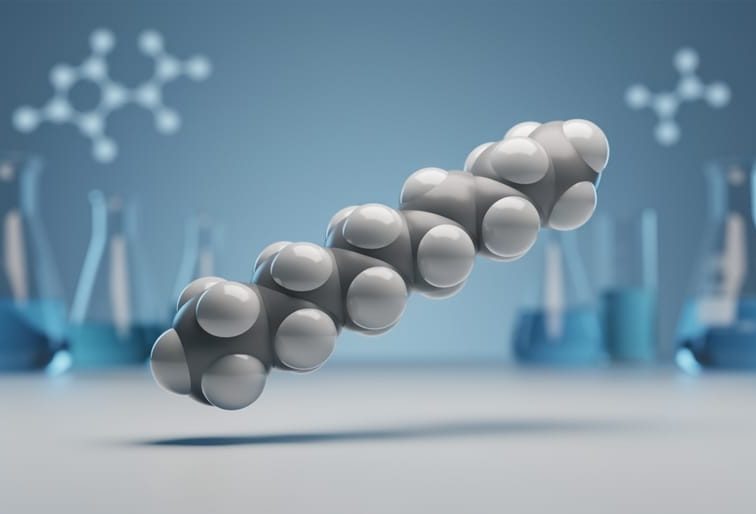
Close-up of a 15-linked peptide chain rendered as connected spheres above a blurred medical laboratory background in cool blue and white tones.

BPC-157 Peptide Sequence: The 15-Amino-Acid Chain Explained for Health-Conscious Individuals

BPC-157 is a synthetic peptide composed of 15 amino acids in the sequence: Gly-Glu-Pro-Pro-Pro-Gly-Lys-Pro-Ala-Asp-Asp-Ala-Gly-Leu-Val. If you’re researching this compound, you’re likely weighing whether to buy BPC-157 for healing or metabolic support, and understanding its unique structure helps explain why researchers have taken notice.
This peptide derives from a protective protein found naturally in human gastric juice, but it’s been stabilized through laboratory modification to remain active throughout the body. Unlike many peptides that break down …

Person awake in a dim bedroom at night, with a CGM sensor patch visible on their arm and a glowing smartphone nearby, suggesting insomnia in diabetes management.

Why Can’t I Sleep with Diabetes? Causes and How to Fix Insomnia

If you’re lying awake at 3 a.m. watching your blood sugar numbers while the rest of the world sleeps, cognitive behavioral therapy for insomnia (CBT-I) is your most effective first step. This structured, non-medication approach directly addresses the thought patterns and behaviors keeping you awake, and leading medical organizations including the American Academy of Sleep Medicine now recommend it as first-line treatment for chronic insomnia in 2026.
For people managing diabetes, insomnia isn’t just frustrating. It creates a vicious cycle: poor sleep drives insulin resistance higher, blood sugar becomes harder to control…

“Close-up of raw cannabis flower trichomes with subtle steam rising from a nearby glass heating container, representing THCa decarboxylation.”

What Is THCa Decarboxylation (and How Does It Affect Cannabis Use)?

THCa decarboxylation is the chemical process that converts tetrahydrocannabinolic acid (THCa), a non-intoxicating compound found in raw cannabis, into THC, the psychoactive component responsible for the plant’s well-known effects. This transformation happens when THCa is exposed to heat, whether through smoking, vaping, cooking, or simply aging over time. The “A” in THCa stands for an acid group that breaks away during heating, fundamentally changing how the compound interacts with your body’s endocannabinoid system.
For people managing chronic conditions like diabetes, understanding this conversion matters …

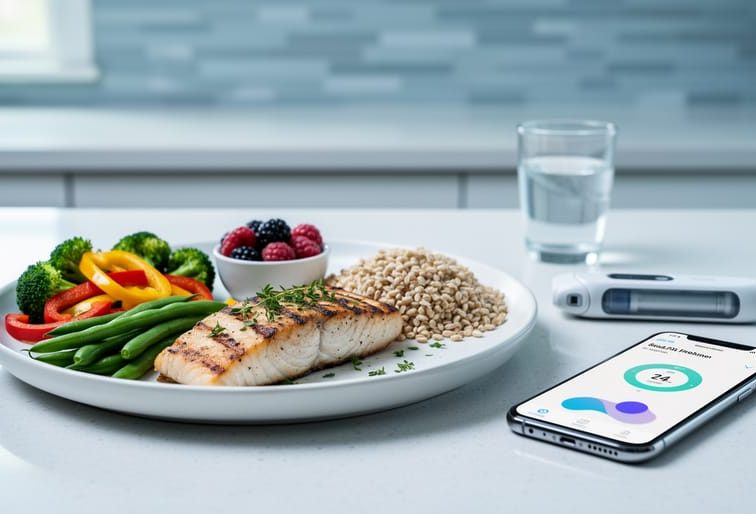
Diabetes-friendly meal plate with vegetables and berries next to an insulin delivery device and CGM sensor, shown in a clean kitchen setting.

Special Dietary Needs That Make Diabetes Management Harder (And What Actually Helps)

Managing diabetes alongside other dietary restrictions requires a personalized approach that addresses your complete health picture, not just blood sugar alone. Whether you’re navigating celiac disease, kidney concerns, food allergies, or heart health alongside diabetes, the traditional diabetes meal plan often needs significant adaptation to work for your unique situation.
The challenge is real: many people with diabetes face overlapping conditions that create competing dietary demands. Celiac disease requires strict gluten elimination. Kidney disease means watching protein, potassium, and phosphorus. Heart disease calls for …

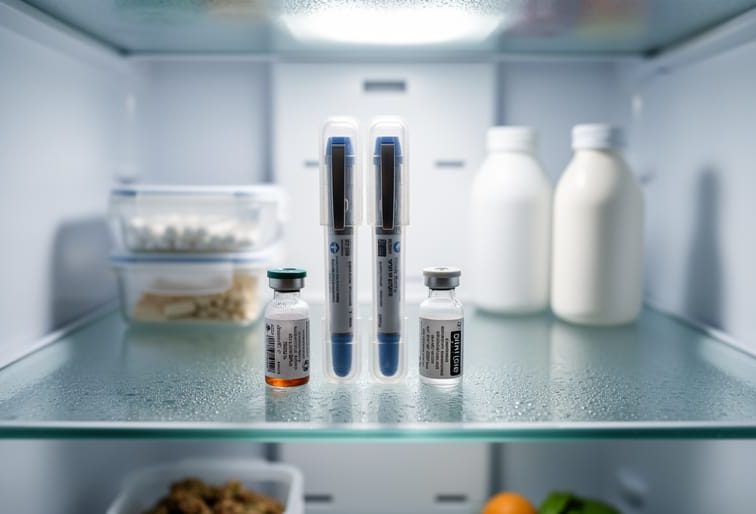
Insulin pens and vials stored on a refrigerator shelf in a clean, organized setup.

How to Store Insulin Safely and Keep It Effective

Proper insulin storage is straightforward: keep unopened vials and pens refrigerated between 36°F and 46°F, then store them at room temperature (below 86°F) for up to 28 days once opened. This simple practice protects your medication’s potency and ensures every dose delivers the blood sugar control you depend on.
Key Takeaway: Store unopened insulin in your refrigerator at 36-46°F. Once opened, keep it at room temperature (below 86°F) for up to 28 days. …

Middle-aged adult walking on a tree-lined park path at golden hour with a continuous glucose monitor on the upper arm, carrying a water bottle; subject in sharp focus with softly blurred trees and a distant city skyline in the background.

How Type 2 Diabetes Actually Affects Your Life Expectancy (And What You Can Do About It)

A type 2 diabetes diagnosis naturally raises questions about your future, but here’s what research shows: you have significant control over your outcome. Recent studies indicate that people diagnosed with type 2 diabetes at age 50 may live nearly as long as those without the condition when they maintain good blood sugar control. The difference in life expectancy has narrowed dramatically over the past two decades, thanks to better medications, monitoring technology, and understanding of diabetes management.
The statistics tell an encouraging story. A comprehensive analysis of over 300,000 individuals found that those who kept …