
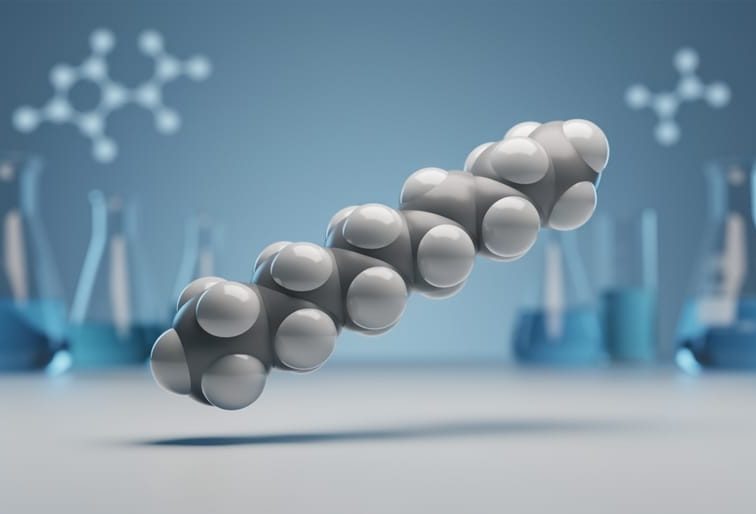

BPC-157 is a synthetic peptide composed of 15 amino acids in the sequence: Gly-Glu-Pro-Pro-Pro-Gly-Lys-Pro-Ala-Asp-Asp-Ala-Gly-Leu-Val. If you’re researching this compound, you’re likely weighing whether to buy BPC-157 for healing or metabolic support, and understanding its unique structure helps explain why researchers have taken notice.
This peptide derives from a protective protein found naturally in human gastric juice, but it’s been stabilized through laboratory modification to remain active throughout the body. Unlike many peptides that break down quickly in digestive enzymes or blood, BPC-157’s particular arrangement of proline residues creates remarkable stability, which is why it can be administered orally, injected, or applied topically and still maintain function.
For people managing diabetes, the connection matters. Early research suggests BPC-157 may influence blood vessel formation, tissue repair, and inflammatory pathways that directly affect diabetic wound healing, one of the most challenging complications of both type 1 and type 2 diabetes. Some studies have explored its potential to support gastric health, which is significant given that many diabetes medications affect digestive function.
The sequence itself is remarkably simple compared to larger therapeutic proteins, yet its effects appear disproportionately broad. The triple-proline motif (Pro-Pro-Pro) forms a rigid structural backbone that many researchers believe contributes to its bioactivity and resistance to degradation.
What’s essential to understand is that despite growing interest and anecdotal success stories from athletes and biohackers, BPC-157 remains under investigation. It hasn’t received FDA approval for medical use, and the majority of evidence comes from animal studies or preliminary human trials. This introduction will walk you through what the sequence means, how structure relates to function, current research relevant to diabetic health, and what questions to bring to your healthcare provider before considering use.
What Makes the BPC-157 Sequence Unique
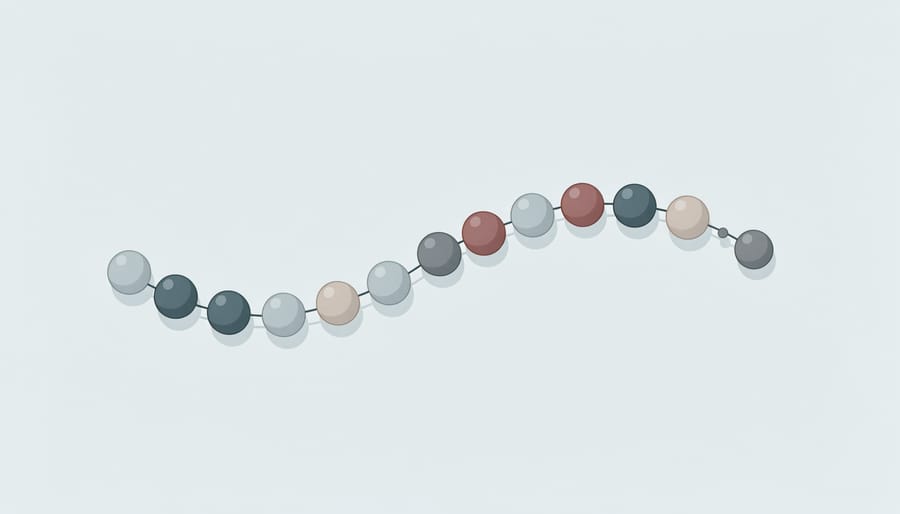
BPC-157’s uniqueness starts with its specific arrangement of 15 amino acids: Glycine-Glutamic Acid-Proline-Proline-Proline-Glycine-Lysine-Proline-Alanine-Aspartic Acid-Aspartic Acid-Alanine-Glycine-Leucine-Valine. This exact sequence doesn’t occur naturally in the human body. Instead, researchers derived it from a larger protective protein called Body Protection Compound, which exists in human gastric juice. They isolated and synthesized this particular 15-amino-acid segment because it appeared to retain the parent protein’s healing properties while being stable enough to work as a standalone therapeutic agent.
What sets this sequence apart from other therapeutic peptides is its structural composition. Notice the three consecutive proline residues (positions 3, 4, and 5), then another proline at position 8. This abundance of proline creates a rigid backbone structure. Most peptides you might research have more varied amino acid patterns, which often makes them flexible but also vulnerable to enzymatic breakdown. BPC-157’s proline-rich structure gives it unusual resistance to degradation.
The sequence also contains charged amino acids that influence how it interacts with cells. Glutamic acid at position 2 carries a negative charge, while lysine at position 7 carries a positive charge. The two aspartic acid residues at positions 10 and 11 add more negative charges. These charged regions help the peptide interact with cell receptors and tissues, potentially explaining some of its biological activity.
Size matters here too. At just 15 amino acids, BPC-157 is considered a small peptide. Many therapeutic proteins contain hundreds of amino acids, making them difficult to synthesize, expensive to produce, and challenging to deliver into the body. BPC-157’s compact size makes it relatively easy to manufacture consistently, which is why you’ll find it more widely available than larger protein therapeutics.
The synthetic nature deserves emphasis. While derived from a natural source, every BPC-157 product is laboratory-made. Researchers don’t extract it from gastric tissue. They build it amino acid by amino acid using peptide synthesis techniques. This manufacturing reality means quality and purity vary significantly between sources, something crucial to understand if you’re considering this peptide for health management.
How the Amino Acid Sequence Relates to Function
The specific order of amino acids in BPC-157 isn’t random, it determines how the peptide interacts with your body’s healing systems. Think of it like a key fitting into a lock: the shape matters just as much as the material.
The five proline residues (the “Pro” amino acids in the sequence) give BPC-157 structural rigidity. This stiffness helps the peptide maintain a stable shape as it moves through your bloodstream and tissues. Without this stability, the peptide would likely fall apart before reaching areas that need healing. The proline-rich region creates what researchers call a “turn” structure, allowing the peptide to present specific amino acids to cellular receptors in the right orientation.
The two aspartic acid residues (Asp) near the middle of the sequence carry negative charges. These charged areas may help BPC-157 bind to growth factor receptors on cell surfaces, potentially triggering signals that promote tissue repair. Scientists believe this interaction could explain why studies show accelerated healing in damaged tissues.
The glycine residues (Gly) scattered throughout provide flexibility at key points. This flexibility lets the peptide adjust its shape slightly to fit different receptor types, which might explain why BPC-157 appears to affect multiple healing pathways rather than just one specific process.
The C-terminal valine (Val) at the end of the sequence seems to protect the peptide from being quickly broken down by enzymes. Many peptides get chopped apart within minutes of entering the body, but BPC-157’s structure helps it survive longer, giving it more time to reach injured areas.
For someone managing diabetes, this structure-function relationship matters because diabetic wounds often heal slowly due to disrupted growth factor signaling. The way BPC-157’s sequence allows it to potentially interact with these pathways explains why researchers continue investigating its effects on complications like neuropathy and chronic wounds.
BPC-157 Sequence Stability and Bioavailability
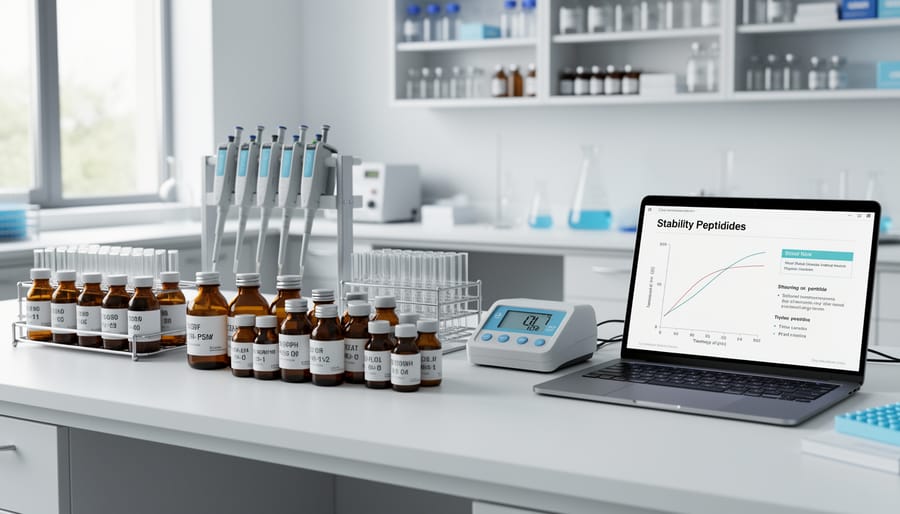
One of the most remarkable characteristics of the BPC-157 sequence is its exceptional stability compared to typical therapeutic peptides. Most peptides break down rapidly when exposed to gastric acid and digestive enzymes, which is why many require injection rather than oral administration. The specific arrangement of amino acids in BPC-157, particularly the proline-rich regions and the balanced distribution of hydrophobic and hydrophilic residues, creates a molecular structure that resists this degradation.
This stability has significant practical implications. If you’re researching peptide therapies, you’ve likely noticed that many require refrigeration and have short shelf lives once reconstituted. BPC-157 demonstrates greater resilience to temperature variations and enzymatic breakdown, though proper storage remains important for maintaining potency.
The peptide’s resistance to gastric acid makes oral administration theoretically possible, which would be a major advantage over injection-only peptides. However, you should know that bioavailability, how much of the peptide actually reaches your bloodstream and tissues, remains a subject of ongoing investigation. While the sequence may survive the stomach environment better than other peptides, that doesn’t automatically mean effective absorption occurs.
For individuals managing diabetes who deal with injection fatigue from insulin regimens, the possibility of oral peptide delivery sounds appealing. Yet current research hasn’t definitively established optimal oral dosing or absorption rates for BPC-157. Most studies showing therapeutic effects have used injectable forms, which bypass digestive system challenges entirely.
The sequence stability also affects how you might store and handle the peptide. Unlike some fragile peptides that degrade within hours at room temperature, BPC-157 maintains structural integrity longer. Still, proper storage in cool, dark conditions protects potency.
Understanding these stability characteristics helps you evaluate product claims and make informed decisions about administration methods if you’re considering BPC-157 under medical supervision.
Current Research Context (2026)
Research into BPC-157 remains predominantly preclinical, meaning most published studies have used animal models rather than human participants. While the peptide sequence has shown promising results in rodent and other animal studies examining wound healing, tendon repair, and gastrointestinal protection, human clinical trials remain limited. The body of peer-reviewed literature has grown steadily, but much of what we know about BPC-157’s effects on tissue regeneration and inflammation comes from laboratory settings rather than controlled human trials.
Current scientific interest focuses on several key areas. Wound healing studies continue to examine how the peptide sequence might accelerate tissue repair, which matters particularly for people managing conditions that impair healing. Gut health research explores the peptide’s potential protective effects on the gastrointestinal lining, building on its derivation from gastric protective protein. Metabolic investigations look at possible effects on insulin sensitivity and glucose regulation, though this work is still early-stage compared to established methods to manage blood sugar through lifestyle changes.
The research landscape shows genuine scientific curiosity about this peptide sequence, but substantial gaps remain. Long-term safety data in humans doesn’t exist yet. Optimal dosing protocols haven’t been established through rigorous trials. The mechanisms by which the specific amino acid sequence produces its observed effects aren’t fully mapped. This creates a situation where anecdotal reports and preliminary findings have sometimes outpaced what the science can confidently support.
For someone considering BPC-157, understanding this research context matters more than knowing which diabetes-friendly treats to enjoy. You’re looking at an experimental compound with intriguing possibilities but limited human evidence.
Why People with Diabetes Are Interested in BPC-157
People with diabetes face a cluster of challenges that make the BPC-157 peptide sequence particularly interesting. The connection isn’t random, it’s rooted in specific complications that affect daily life and long-term health outcomes.
Wound healing represents one of the most pressing concerns. Elevated blood glucose levels impair circulation and compromise the body’s natural repair mechanisms, turning minor cuts into persistent problems. Diabetic foot ulcers affect roughly 15% of people with diabetes at some point, and these wounds can take weeks or months to heal. BPC-157’s reported tissue regeneration properties have caught attention because they theoretically address healing at a cellular level, though human studies remain limited.
Neuropathy adds another layer of complexity. Nerve damage from prolonged high blood sugar causes pain, numbness, and reduced sensation in extremities. The peptide’s purported effects on nerve tissue repair have sparked interest, particularly among those who’ve exhausted conventional treatment options. Online diabetes communities frequently discuss BPC-157 alongside treatments they already manage, like learning to store insulin safely and monitoring blood sugar patterns.
Chronic inflammation links many diabetic complications together. The body’s inflammatory response stays elevated with diabetes, contributing to cardiovascular issues, kidney stress, and metabolic dysfunction. The amino acid sequence in BPC-157 appears to modulate inflammatory pathways in animal studies, which explains why it’s entered conversations about metabolic health management.
However, it’s crucial to separate hopeful possibility from established fact. Most BPC-157 research involves animal models or tissue cultures, not human clinical trials. The peptide isn’t FDA-approved for any medical condition, and its long-term safety profile in people with diabetes specifically hasn’t been established. Blood sugar interactions, medication conflicts, and individual response variations remain largely unknown.
The interest makes sense given the real struggles people face, but enthusiasm shouldn’t replace medical guidance. BPC-157 exists in a gray zone between promising research and proven therapy, which demands careful consideration before use.
What You Should Know Before Considering BPC-157
Before exploring BPC-157, understand that this peptide exists in a regulatory grey area. The FDA hasn’t approved it for human use, and it’s marketed as a research chemical rather than a medicine. This doesn’t mean it’s automatically dangerous, but it does mean you’re operating outside the standard medical framework that protects patients through clinical trials and quality controls.
If you’re considering BPC-157 while managing diabetes, start with proven therapies like ways to deliver insulin effectively and a diet that helps stabilize blood sugar. Peptide research comes with real challenges. The sequence we discussed earlier, those 15 specific amino acids, must be precisely manufactured. A single substitution changes everything, yet many suppliers operate without oversight.
Purity matters enormously. Laboratory-grade peptides might contain impurities acceptable for research but harmful for human consumption. Look for certificates of analysis from independent labs confirming the sequence matches and purity exceeds 98%. Peptides also degrade quickly when stored improperly; they typically need refrigeration and protection from light.
Dosing presents another challenge. Without clinical guidelines, people rely on anecdotal reports and animal study extrapolations, which isn’t ideal when managing a condition as sensitive as diabetes. Peptides can interact with medications, affect blood sugar regulation, and trigger immune responses in ways we don’t fully understand yet. That’s why medical supervision matters, even for substances marketed as supplements.
Frequently Asked Questions
How can I verify that a BPC-157 product contains the correct amino acid sequence?
Request a certificate of analysis (COA) from the supplier that includes mass spectrometry or HPLC testing results showing the peptide’s molecular weight and purity. The correct sequence should yield a molecular weight of approximately 1419 daltons, and reputable suppliers will provide third-party lab verification of this.
Is the BPC-157 sequence the same regardless of where I buy it?
The correct sequence should always be the same 15-amino-acid chain (Gly-Glu-Pro-Pro-Pro-Gly-Lys-Pro-Ala-Asp-Asp-Ala-Gly-Leu-Val), but quality varies dramatically between suppliers. Some products may contain truncated sequences, impurities, or even completely different peptides mislabeled as BPC-157.
How should BPC-157 be stored to maintain sequence integrity?
Store lyophilized (powder) form in a freezer at -20°C or colder, protected from light and moisture. Once reconstituted with bacteriostatic water, refrigerate at 2-8°C and use within 30 days, as the peptide sequence can degrade when exposed to room temperature or light for extended periods.
What makes the BPC-157 sequence different from other healing peptides like TB-500?
While both are researched for tissue repair, BPC-157’s 15-amino-acid sequence is derived from gastric protective protein and shows stability in stomach acid, whereas TB-500 (Thymosin Beta-4) is a 43-amino-acid peptide with different mechanisms. Their structural differences lead to distinct biological activities and absorption characteristics.
Does the sequence matter if I’m taking BPC-157 orally versus by injection?
Yes, the sequence’s resistance to gastric breakdown makes oral administration theoretically possible, but absorption rates and bioavailability differ significantly between routes. The same sequence is used for both, but injection typically provides more predictable dosing since the peptide reaches tissues directly without passing through the digestive system.
Understanding these practical aspects helps you make informed decisions about peptide quality and handling. The amino acid sequence is only as effective as the product’s purity and your storage practices, which is why verification and proper handling matter as much as knowing the sequence itself.
If you’re managing diabetes and considering BPC-157, these questions often come up during conversations with healthcare providers. Bringing documentation about sequence verification and product quality to your appointment demonstrates you’re approaching this thoughtfully rather than impulsively, which helps your medical team provide better guidance tailored to your specific health needs and medication interactions.
Understanding the BPC-157 peptide sequence, that specific 15-amino-acid chain we’ve explored, is about more than memorizing Gly-Glu-Pro-Pro-Pro-Gly-Lys-Pro-Ala-Asp-Asp-Ala-Gly-Leu-Val. It’s about knowing exactly what you’re considering for your body and why that particular arrangement matters.
Whether you’re drawn to BPC-157 because of wound healing challenges, ongoing inflammation, or simply curiosity about emerging therapies, that knowledge puts you in control. You deserve to make informed choices based on real understanding, not marketing hype or borrowed enthusiasm from online forums.
The sequence’s stability, its synthetic origins, and the ongoing research all point to a peptide worth watching. But watching isn’t the same as jumping in without guidance. Talk to your healthcare provider who understands your complete health picture, especially if you’re managing diabetes or other chronic conditions.
Your health journey belongs to you. Learning about compounds like BPC-157, understanding their structures, and asking tough questions about purity and sourcing, that’s how you advocate for yourself effectively. Stay curious, stay cautious, and keep seeking reliable information as the research continues to develop.