
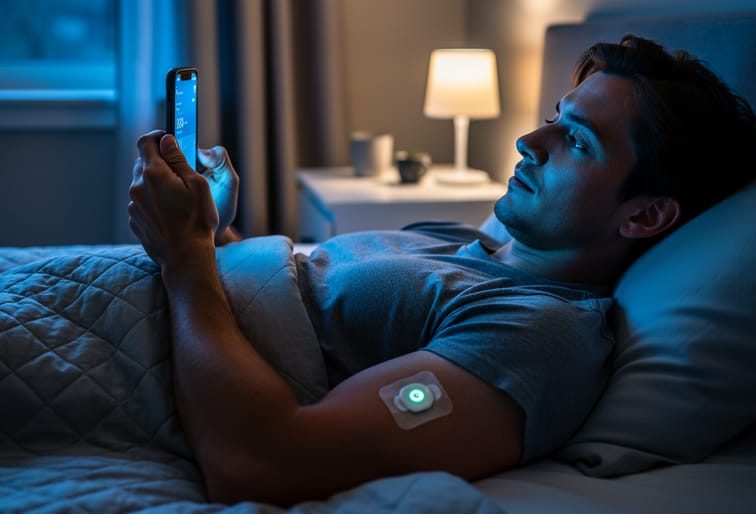

If you’re lying awake at 3 a.m. watching your blood sugar numbers while the rest of the world sleeps, cognitive behavioral therapy for insomnia (CBT-I) is your most effective first step. This structured, non-medication approach directly addresses the thought patterns and behaviors keeping you awake, and leading medical organizations including the American Academy of Sleep Medicine now recommend it as first-line treatment for chronic insomnia in 2026.
For people managing diabetes, insomnia isn’t just frustrating. It creates a vicious cycle: poor sleep drives insulin resistance higher, blood sugar becomes harder to control, and the anxiety about both conditions makes sleep even more elusive. You might recognize the pattern: checking your CGM at 2 a.m., worrying about tomorrow’s fasting glucose, or lying awake after a nighttime low blood sugar episode jolted you from deep sleep.
The good news? You can break this cycle. Most people with diabetes-related insomnia see improvement within four to six weeks when they target the root causes systematically. This article walks you through identifying your specific sleep disruptors, understanding how diabetes uniquely affects your rest, and implementing evidence-based solutions step by step. We’ll start with the strategies that work fastest and require no prescription, then move to options for persistent cases.
One important note: if you’re experiencing severe nighttime hypoglycemia, sleep apnea symptoms like gasping for air, or insomnia alongside significant mood changes, contact your healthcare provider before trying self-directed fixes. These situations need professional evaluation first. For everyone else, let’s figure out what’s stealing your sleep and get it back.
Understanding Insomnia When You Have Diabetes
Not everyone with diabetes who has a rough night is dealing with insomnia. True chronic insomnia definition requires a specific pattern: difficulty falling asleep, staying asleep, or waking too early at least three nights per week for three months or longer. If you’ve been tossing and turning for a few nights because of stress or a cold, that’s frustrating but temporary. Chronic insomnia means the problem has become persistent, draining your energy night after night.
- Chronic Insomnia
- Sleep difficulties occurring at least three nights per week for three months or more, significantly impacting daily function and health.
- Acute Insomnia
- Short-term sleep problems lasting days to weeks, often triggered by stress, illness, or temporary disruptions to routine.
- Sleep Latency
- The time it takes to fall asleep after getting into bed, with 30 minutes or more considered problematic.
- Sleep Maintenance
- Your ability to stay asleep through the night without prolonged awakenings or early morning waking.
- Sleep Efficiency
- The percentage of time in bed actually spent sleeping, with less than 85 percent indicating poor sleep quality.
For people managing diabetes, this distinction matters enormously. Chronic sleep deprivation doesn’t just leave you exhausted. It directly interferes with blood sugar control by increasing insulin resistance, raising cortisol levels, and making it harder to stick with healthy eating and exercise habits. One sleepless night won’t derail your diabetes management, but months of broken sleep create a vicious cycle: poor sleep worsens blood sugar control, and unstable blood sugar disrupts sleep further.
Understanding whether you’re dealing with chronic insomnia or temporary sleeplessness helps you choose the right approach. Chronic insomnia requires systematic treatment, often starting with cognitive behavioral therapy designed specifically for sleep problems, while occasional bad nights may improve with simpler adjustments to your routine.
Is It Diabetes, or Something Else? Recognizing Your Sleep Symptoms

Not all sleep problems stem from your diabetes, but knowing the difference helps you find the right fix. Your sleep patterns reveal important clues about what’s keeping you awake and where to focus your efforts.
Start by tracking when sleep goes wrong. Trouble falling asleep, lying awake for 30 minutes or more after lights out, often points to stress, anxiety about managing your condition, or high blood sugar that makes you feel wired and restless. If you drop off easily but wake repeatedly during the night, you’re facing what sleep specialists call “sleep maintenance insomnia.” With diabetes, these nighttime wakings frequently connect to specific, identifiable triggers. Early morning awakening, where you wake hours before your alarm and can’t get back to sleep, might signal depression or blood sugar dropping too low as dawn approaches.
Some people sleep the full seven or eight hours yet wake feeling unrefreshed. This non-restorative sleep can indicate sleep apnea, which affects nearly half of people with type 2 diabetes, or it might mean your blood sugar fluctuated all night, preventing deep sleep stages from forming properly.
Pay attention to what accompanies your sleeplessness. Diabetes adds its own set of sleep disruptors:
– Frequent nighttime urination (nocturia) from high blood sugar
– Night sweats from low blood sugar episodes
– Anxiety about glucose levels or diabetes management
– Pain from neuropathy, especially in your feet and legs
– Restless legs that feel uncomfortable unless you move them
– Sleep apnea signs like loud snoring, gasping, or morning headaches
If you notice several of these alongside your insomnia, your diabetes control likely plays a central role. But if your sleep problems started before your diagnosis, exist without these diabetes-specific symptoms, or persist despite good glucose management, other causes may be at work. This distinction matters because it shapes which solutions will actually help you sleep better.
Why Diabetes Disrupts Your Sleep: The Most Likely Causes
Living with diabetes means your body is constantly managing a delicate balance, and when that balance shifts, your sleep often pays the price. Understanding what’s keeping you awake is the first step toward fixing it.
Blood sugar swings are the most common sleep thieves for people with diabetes. When your glucose runs high overnight, your kidneys work overtime to flush out excess sugar through urine, pulling you out of deep sleep for repeated bathroom trips. High blood sugar also leaves you thirsty, creating a frustrating cycle of drinking and urinating that fragments your sleep. On the flip side, low blood sugar triggers your body’s alarm system. Your brain needs glucose to function, so when levels drop too low, your body releases adrenaline and other stress hormones to raise them back up. This hormonal surge can jolt you awake with sweating, rapid heartbeat, and anxiety, sometimes without you even realizing your sugar dropped.
Nocturia, the need to urinate frequently at night, disrupts sleep for many people with diabetes even when blood sugars are reasonably controlled. Each trip to the bathroom pulls you out of restorative sleep stages, and some people struggle to fall back asleep once awakened. If you’re getting up more than twice per night, it’s worth discussing with your healthcare provider.
Diabetic neuropathy causes nerve damage that often worsens at night. The tingling, burning, or shooting pain in your feet and legs intensifies when you lie down and there are fewer distractions. This pain can make finding a comfortable sleeping position nearly impossible and wake you repeatedly throughout the night.
| Cause | How It Affects Sleep | Warning Signs to Watch For |
|---|---|---|
| High Blood Sugar | Frequent urination and thirst interrupt sleep cycles | Waking to urinate 3+ times, extreme thirst at night, waking with headache |
| Low Blood Sugar | Adrenaline release jolts you awake | Night sweats, vivid nightmares, waking with rapid heartbeat, morning headaches |
| Neuropathy Pain | Burning or tingling sensations prevent comfortable sleep | Foot or leg pain that worsens when lying down, difficulty finding comfortable position |
| Sleep Apnea | Breathing pauses reduce oxygen and fragment sleep | Loud snoring, gasping for air, excessive daytime sleepiness, partner observations |
| Medication Timing | Some medications increase alertness or urination | Trouble sleeping after starting new medication, increased nighttime bathroom trips |
Sleep apnea affects a staggering number of people with type 2 diabetes, estimates suggest up to 80% may have some form of sleep-disordered breathing. The condition causes repeated breathing pauses during sleep, dropping oxygen levels and triggering brief awakenings that you might not even remember. Beyond leaving you exhausted, untreated sleep apnea worsens insulin resistance and makes blood sugar harder to control.
Certain diabetes medications can interfere with sleep, too. Diuretics increase urination, while some people find that metformin causes digestive discomfort that disrupts sleep. Stimulating medications taken too late in the day can make falling asleep difficult.
The mental load of managing diabetes creates its own sleep problems. Anxiety about blood sugar numbers, fear of nighttime lows, worry about long-term complications, and the daily stress of managing a chronic condition can keep your mind racing when you should be resting. Depression, which affects people with diabetes at higher rates than the general population, commonly causes both trouble falling asleep and early morning awakening that leaves you unable to get back to sleep.
Step-by-Step: How to Fix Your Sleep Problems
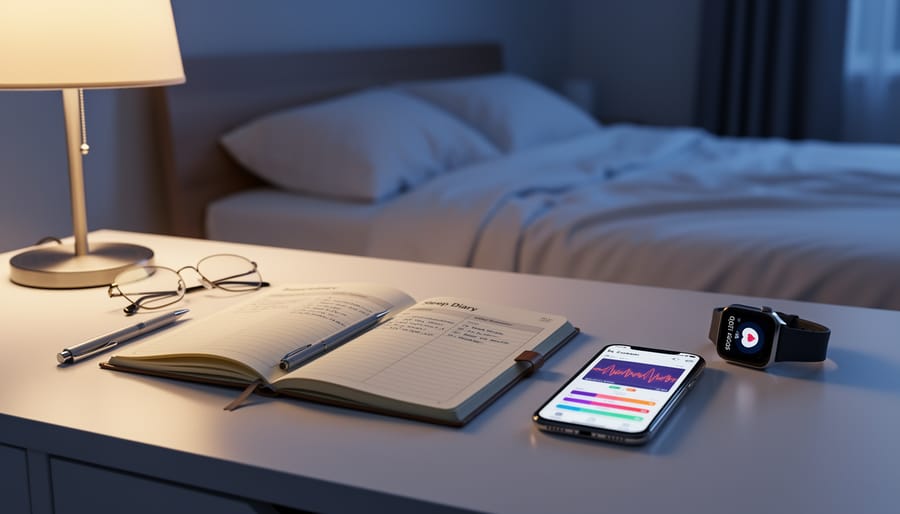
Cognitive Behavioral Therapy for Insomnia (CBT-I): Your First Line of Defense
Cognitive behavioral therapy for insomnia (CBT-I) stands out as the recommended starting point when you’re facing chronic sleep trouble. Both the American Academy of Sleep Medicine and the American College of Physicians recognize it as the first-line treatment for chronic insomnia, meaning it’s what doctors should suggest before considering sleep medications. If you’ve been lying awake at night worrying about diabetes management while also dreading the idea of taking yet another pill, this approach might feel like a relief.
CBT-I works by changing the thoughts and behaviors that keep you awake. A therapist helps you identify beliefs about sleep that don’t serve you (like “I must get eight hours or I’ll ruin my blood sugar”), restructure those patterns, and build better sleep habits. The program typically includes sleep restriction (counterintuitively, spending less time in bed to consolidate sleep), stimulus control (using your bed only for sleep, not worrying), and relaxation techniques. Unlike medication, the benefits continue after treatment ends because you’ve learned skills you can use forever.
You don’t necessarily need weekly in-person appointments to access CBT-I. Several apps now offer structured programs that guide you through the core techniques, and many insurance plans cover online CBT-I programs delivered by trained therapists through video sessions. Some diabetes centers have sleep specialists on staff who understand how blood sugar management intersects with sleep patterns. The ACP recommends CBT-I first-line precisely because it addresses the root of sleep problems without introducing medication side effects or dependency risks.
When to Combine Treatments
Sometimes CBT-I alone isn’t enough, especially when diabetes complicates your sleep patterns. The AASM combination guideline recognizes that combining behavioral therapy with sleep medication can help certain people with chronic insomnia.
This combined approach works best when you’ve tried CBT-I but still struggle, when severe symptoms are affecting your diabetes control, or when you need faster results while behavioral changes take hold. You might start both treatments together, then taper the medication as CBT-I techniques become more effective.
Your healthcare team needs to coordinate this carefully. Your doctor should know what sleep medications won’t interfere with your diabetes drugs, and your therapist should understand how blood sugar swings affect your progress. They’ll help you avoid becoming dependent on medication while building lasting sleep skills.
Don’t mix treatments on your own. What helps one person sleep might spike or drop your blood sugar, interact with insulin or metformin, or mask symptoms you need to address differently. A coordinated plan ensures each treatment supports the others instead of working against them.
Technology That Can Help You Sleep Better
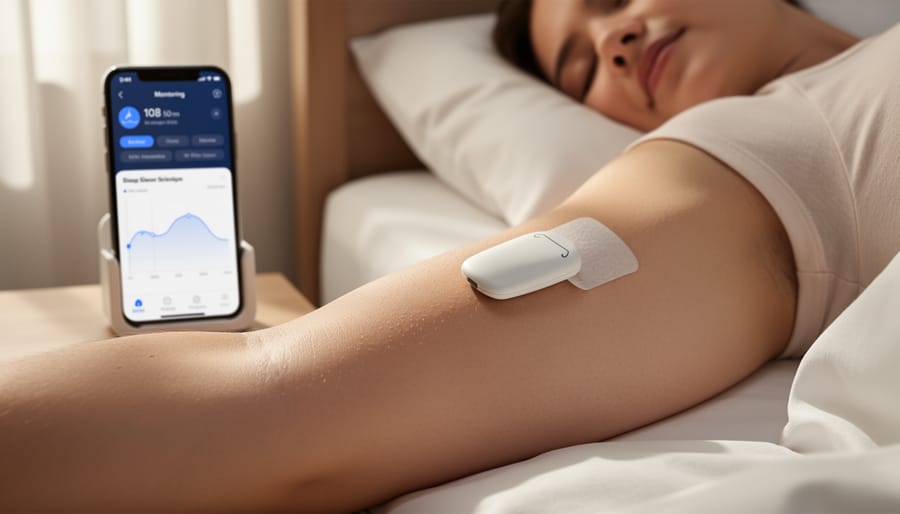
Modern diabetes technology offers powerful tools to understand and improve your sleep patterns. A continuous glucose monitor reveals overnight trends that might be waking you, showing whether you’re dipping low at 2 a.m. or spiking after midnight snacks. These insights let you adjust your evening eating habits insulin timing, or pump settings based on actual data instead of guesswork.
Sleep tracking apps that integrate with diabetes management platforms can spot connections you might miss. When your app shows you woke six times and your CGM data reveals three glucose spikes, the pattern becomes clear. Some apps sync with insulin pumps to help you fine-tune overnight basal rates or temporary settings that prevent both highs and lows.
Smart alarms designed around sleep cycles can wake you during lighter sleep stages, making mornings less groggy, but they work best when your blood sugar stays stable overnight. Focus first on using your CGM data to optimize your glucose control during sleep hours.
For pump users, consider whether your basal rates need adjustment between midnight and 6 a.m. Many people need different insulin delivery overnight than during the day. Work with your diabetes care team to review your CGM overnight reports and adjust settings gradually. Small changes to basal rates, informed by weeks of CGM data, often resolve sleep disruptions that seemed mysterious before.
Technology provides the information, but you make the adjustments that restore your sleep.
Preventing Future Sleep Problems
Once you’ve tackled existing sleep problems, the best strategy is staying ahead of them. Building habits now means fewer sleepless nights down the road.
Start with consistency. Your body craves routine. Go to bed and wake up at the same time every day, even on weekends. This trains your internal clock and makes falling asleep easier. Shift workers and people with irregular schedules should still aim for the most consistent pattern possible.
Create a bedtime routine that works with diabetes, not against it. Check your blood sugar about an hour before bed. If you use a glucose monitor you can track overnight patterns and adjust your evening routine accordingly. Keep a small, protein-based snack handy if you tend to go low overnight, but avoid large meals or heavy carbs close to bedtime.
- Maintain the same sleep and wake times seven days a week
- Check blood sugar before bed and address trends proactively
- Finish exercise at least three hours before bedtime
- Keep evening carbohydrates moderate and paired with protein
- Practice a brief stress-reduction activity each evening
- Schedule quarterly conversations with your healthcare team about sleep quality
Exercise helps, but timing matters. Morning or afternoon workouts improve sleep without causing bedtime blood sugar swings. If evening exercise works better for your schedule, finish at least three hours before bed and monitor how it affects your overnight glucose.
Stress management isn’t optional. Even five minutes of deep breathing, gentle stretching, or journaling before bed can quiet the mental loop about blood sugar numbers and tomorrow’s tasks. Find what works for you and make it part of your wind-down.
Finally, talk to your healthcare team about sleep at regular appointments, not just when it becomes unbearable. Mention changes in sleep patterns early so you can address them before they become chronic problems.
Frequently Asked Questions
The questions below address concerns many people with diabetes have about treating insomnia and getting their sleep back on track.
What is the first-line treatment for chronic insomnia?
Cognitive behavioral therapy for insomnia (CBT-I) is the recommended first-line treatment for chronic insomnia according to both the American Academy of Sleep Medicine and the American College of Physicians. This practical program works without medication by addressing the thoughts and behaviors that interfere with sleep.
Should CBT-I be used before sleep medicines?
Yes, medical guidelines recommend trying CBT-I first, especially if you have long-term sleep problems or concerns about becoming dependent on sleep medications. It teaches you skills that continue working long after treatment ends, unlike medications that only work while you’re taking them.
What treatments can be combined for chronic insomnia?
The 2026 AASM guideline recognizes that behavioral-psychological therapies like CBT-I can be combined with pharmacological treatments for chronic insomnia. Your healthcare provider can help determine if this combined approach makes sense for your situation, particularly if CBT-I alone hasn’t fully resolved your sleep issues.
Can diabetes medications cause insomnia?
Some diabetes medications can affect sleep, though this varies by person and medication type. Stimulating medications taken late in the day may interfere with falling asleep, while insulin timing can impact nighttime blood sugar stability. If you suspect your medication is affecting your sleep, talk with your healthcare provider about timing adjustments rather than stopping medications on your own.
Will better sleep help my blood sugar control?
Absolutely. Quality sleep improves insulin sensitivity, helps regulate hunger hormones, and makes it easier to stick with diabetes management routines during the day. Many people find that fixing their sleep problems leads to more stable blood sugar readings and easier overall diabetes management.
When should I see a sleep specialist?
Consider seeing a sleep specialist if your insomnia persists despite trying sleep hygiene improvements and blood sugar optimization, if you snore loudly or your partner notices breathing pauses during sleep, or if excessive daytime sleepiness interferes with daily activities. Your primary care provider can refer you to a sleep medicine specialist who understands the diabetes-sleep connection.
Remember that proper medication storage matters for consistent diabetes management around the clock. Following insulin storage tips ensures your insulin works effectively during nighttime doses, which helps prevent blood sugar swings that disrupt sleep. Temperature fluctuations or expired insulin can lead to unpredictable glucose levels that wake you during the night.
These common concerns reflect real challenges people face when managing both diabetes and insomnia. The good news is that evidence-based solutions exist, and you don’t have to choose between accepting poor sleep and relying solely on medication. Starting with CBT-I gives you a foundation of skills you can use for life, while working with your diabetes care team ensures any medication adjustments support rather than undermine your sleep quality.
Key Takeaways
Better sleep isn’t just possible when you have diabetes, it’s within reach using evidence-based strategies. The most important steps are starting with cognitive behavioral therapy for insomnia rather than immediately turning to medication, stabilizing your blood sugar throughout the night, and following a diet that helps maintain steady glucose levels. Remember that treating insomnia takes time and often requires trying multiple approaches, but improvement typically shows within weeks once you find what works for your body.
You don’t have to accept sleepless nights as part of living with diabetes. Work with your healthcare team to address both the diabetes-specific causes like blood sugar swings and neuropathy pain, and the behavioral patterns that keep you awake. Technology tools can reveal patterns you might miss on your own, while proven techniques like CBT-I give you lasting skills that work without medication. Small changes compound over time, consistent sleep schedules, evening routines that support stable blood sugar, and stress management all contribute to better rest and, in turn, easier diabetes management.