
In type 2 diabetes, insulin still gets produced by your pancreas, but your body’s cells don’t respond to it properly. This condition, called insulin resistance, means glucose can’t enter your cells efficiently and instead builds up in your bloodstream. Understanding this breakdown in your body’s normal insulin response is essential because it explains why managing type 2 diabetes often requires different strategies over time.
When you eat, your pancreas releases insulin to help glucose move from your blood into your cells for energy. In a healthy system, this process works smoothly. But with insulin resistance, your cells essentially ignore insulin’s signals. Your pancreas tries to compensate by producing more insulin, sometimes flooding your bloodstream with higher-than-normal levels. For a while, this extra effort keeps your blood sugar in check.
Over time, though, your pancreas can struggle to keep up with the increased demand. The cells that produce insulin, called beta cells, may become worn out. This progression helps explain why type 2 diabetes management often evolves. What works in the early stages might not be enough years later, and many people find that insulin therapy becomes a valuable tool in their treatment plan.
The good news is that you’re not simply a passenger in this process. Understanding how insulin resistance develops and progresses puts you in a stronger position to work with your healthcare team. Whether you’re newly diagnosed or have been managing type 2 diabetes for years, knowing the mechanics behind your condition helps you make informed decisions about diet, exercise, medication, and monitoring.
What Insulin Does in Your Body
Insulin is a hormone your pancreas produces to manage your blood sugar levels. Think of it as a key that unlocks your cells so glucose, your body’s main energy source, can enter and fuel everything you do, from walking to thinking to healing.
Here’s how the process works: when you eat, carbohydrates break down into glucose, which enters your bloodstream. Your pancreas detects this rise in blood sugar and releases insulin. The insulin then travels through your blood until it reaches cells throughout your body. Each cell has special insulin receptors on its surface, which act like locks. When insulin (the key) binds to these receptors, it triggers a chain reaction that opens pathways for glucose to move from your bloodstream into the cell. This insulin receptor signaling process is essential for normal metabolism.
- Insulin
- A hormone produced by the pancreas that acts as a key to unlock cells and allow glucose to enter for energy.
- Glucose
- A simple sugar that serves as the body’s primary fuel source, derived from the food you eat and carried through your bloodstream.
- Insulin receptors
- Protein structures on cell surfaces that bind with insulin, triggering the cell to open and allow glucose inside.
- Blood sugar
- The amount of glucose circulating in your bloodstream at any given time, which insulin helps regulate to keep within healthy ranges.
Understanding the role of insulin in this lock-and-key system is crucial for grasping what happens in type 2 diabetes. When this mechanism works properly, your blood sugar stays balanced. Your cells get the energy they need, and excess glucose gets stored in your liver and muscles for later use.
How Insulin Works Differently in Type 2 Diabetes
Insulin Resistance: When Cells Stop Listening
Think of insulin resistance like a worn-out lock on your front door. At first, your key turns smoothly and the door opens. But over time, the lock mechanism gets sticky and less responsive. You can still open the door, but you need to jiggle the key harder and longer to make it work.
That’s essentially what happens with the insulin resistance mechanism in type 2 diabetes. The insulin (your key) is there, but your cells’ insulin receptors (the locks) stop responding as they should. The receptors become less sensitive, so the insulin that would normally signal cells to absorb glucose struggles to do its job effectively.
When this happens, glucose builds up in your bloodstream because it can’t get into your cells where it’s needed for energy. Your body still produces insulin, but it takes more and more of it to achieve the same result. It’s not that the insulin itself is broken, the problem lies in how your cells receive and respond to its signal.
Several factors contribute to this decreased sensitivity, including excess body fat (especially around the abdomen), physical inactivity, genetics, and chronic inflammation. Fat cells release substances that interfere with insulin signaling, making the resistance worse over time. The longer this pattern continues, the harder your pancreas has to work to compensate.
Your Pancreas Working Overtime
When your cells become resistant to insulin, your pancreas tries to solve the problem by making more insulin. Think of it like turning up the volume when someone isn’t hearing you clearly, at first, producing extra insulin helps keep your blood sugar in a healthy range despite the resistance.
For a while, this compensation works. Your pancreas can manufacture two, three, or even more times the normal amount of insulin to overcome the reduced response from your cells. You might not even know this is happening, because your blood sugar levels stay relatively normal during this phase.
But this overtime work takes a toll. The beta cells in your pancreas that produce insulin gradually wear down from the constant demand. Over time, they lose their ability to keep up with the extra workload. This process happens gradually, sometimes over many years, which is why type 2 diabetes often progresses slowly.
Eventually, your pancreas may not produce enough insulin to overcome the resistance. When this happens, blood sugar levels begin to rise, and you might need medication or insulin therapy to help manage your glucose levels effectively.
Types of Insulin Response in Type 2 Diabetes
Type 2 diabetes isn’t a one-size-fits-all condition when it comes to insulin function. Your body’s insulin response changes over time, and understanding where you are in that progression helps you and your healthcare team make better treatment decisions.
In the early stages, your pancreas is still producing plenty of insulin, sometimes even more than normal. The problem isn’t quantity but effectiveness. Your cells have become resistant, so your pancreas compensates by flooding your system with extra insulin to push glucose into resistant cells. Many people in this stage manage well with lifestyle changes and medications that improve insulin sensitivity. You might not even realize your insulin levels are elevated.
As type 2 diabetes progresses, your pancreas starts to struggle. Years of working overtime take their toll on the beta cells that produce insulin. You’re dealing with a double challenge: cells that remain resistant and a pancreas that can’t keep up with the demand. This middle stage often requires combination therapy, medications that both improve insulin sensitivity and support your remaining insulin production. Blood sugar becomes harder to control with diet and oral medications alone.
- Early stage: High insulin resistance with adequate or elevated insulin production
- Middle stage: Increasing resistance combined with declining insulin production capacity
- Advanced stage: Significant beta cell decline where insulin therapy becomes necessary
In advanced type 2 diabetes, your beta cells have lost much of their ability to produce insulin. This doesn’t happen to everyone, but for some people, insulin therapy becomes essential. This stage looks more similar to type 1 diabetes in terms of treatment needs, though the underlying cause remains insulin resistance rather than autoimmune destruction.
The important thing to remember is that these stages aren’t failures, they’re simply the natural progression for some people. Your treatment adapts as your body’s needs change.
When and Why Insulin Therapy Is Used in Type 2 Diabetes
Your doctor might recommend insulin therapy at different points in your type 2 diabetes journey. Some people need it shortly after diagnosis if their blood sugar is very high, while others manage well with oral medications and lifestyle changes for years before insulin becomes necessary.
Insulin therapy becomes part of treatment when your pancreas can no longer produce enough insulin to keep your blood sugar in a healthy range, even with other medications. This isn’t a sign that you’ve failed at managing your diabetes. It simply reflects how type 2 diabetes naturally progresses for many people as beta cells gradually lose their ability to keep up with demand.
Your healthcare team will typically consider insulin when oral medications aren’t achieving your target blood sugar levels, when you experience significant weight loss without trying, or during times of physical stress like illness or surgery. Pregnancy is another situation where insulin therapy might be recommended because it’s safer than many oral diabetes medications.
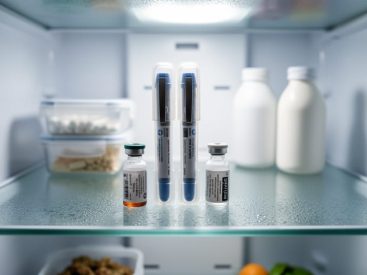
Starting insulin often means learning new skills. You’ll need to know how to give injections, check your blood sugar more frequently, and store insulin safely to maintain its effectiveness. This learning curve can feel overwhelming at first, but most people find it becomes routine within a few weeks.
The benefits of insulin therapy when you need it are substantial. Many people feel dramatically better once their blood sugar stabilizes, more energy, clearer thinking, and relief from symptoms like excessive thirst and frequent urination. Insulin gives your pancreas a chance to rest and helps protect your body from the damage high blood sugar causes over time.
How Type 2 Diabetes Treatment Targets Insulin Function
Type 2 diabetes treatments work by addressing different aspects of how your body makes and uses insulin. Understanding these mechanisms helps you and your healthcare team choose the most effective approach for your situation.
Medications that improve insulin sensitivity help your cells respond better to the insulin your body produces. Metformin, often the first medication prescribed, makes your liver release less stored glucose and helps muscle cells use insulin more effectively. Thiazolidinediones work at the cellular level to increase insulin receptor sensitivity, essentially making the lock-and-key mechanism work smoothly again.
Another group of medications stimulates your pancreas to produce more insulin when you need it. Sulfonylureas and meglitinides prompt beta cells to release insulin, particularly helpful when your pancreas is still capable of production but needs encouragement. Newer GLP-1 receptor agonists work more intelligently, they stimulate insulin release only when blood glucose is elevated, reducing the risk of low blood sugar.
Treatment approaches target insulin function in different ways:
- Insulin sensitizers reduce resistance at the cellular level
- Insulin secretagogues stimulate the pancreas to produce more
- Injectable insulin supplements what your body can’t produce adequately
- Combination therapies address multiple aspects simultaneously
When your pancreas can’t keep up with demand despite these medications, insulin therapy becomes the most direct solution. You’re not supplementing a missing hormone like in type 1 diabetes; you’re helping an overworked system that needs support.
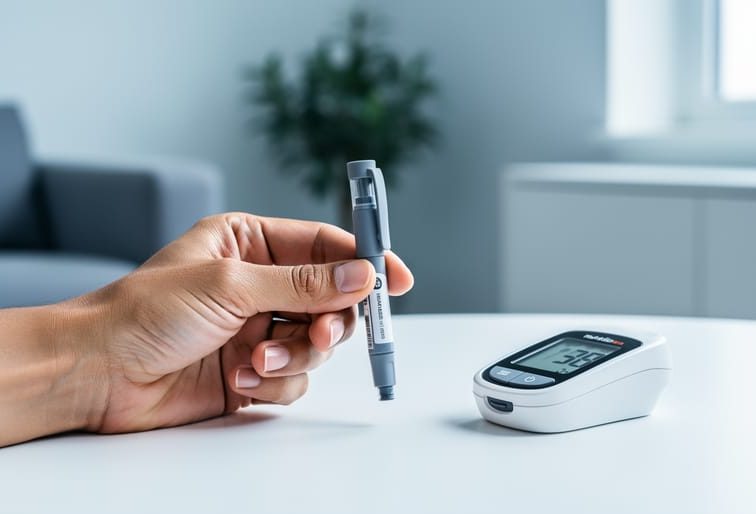
Technology in 2026 makes insulin management more precise than ever. Continuous glucose monitors track your levels throughout the day, showing patterns you couldn’t see with occasional finger sticks. Smart insulin pens track your doses and timing, helping you avoid missed injections or accidental double-dosing. Some systems now connect your monitor to your pen, providing dose recommendations based on current glucose levels and trends.
Your treatment plan might start with one approach and evolve as your insulin function changes. That’s normal progression, not failure, you’re adapting to your body’s changing needs.
Real Stories: Living With Insulin Changes
Maria had lived with type 2 diabetes for twelve years before her doctor suggested insulin therapy. Her first reaction was resistance, she’d always thought of insulin as a last resort, a sign she’d somehow failed. But when her healthcare team explained how her pancreas was simply wearing out after years of working overtime, everything clicked.
“Understanding that my body had been producing extra insulin for years, trying to overcome resistance, changed my whole perspective,” she says. She started basal insulin alongside her other medications and worked with a diabetes educator on diabetes meal guidance to optimize her treatment. Within three months, her morning blood sugars dropped from the high 200s to a consistent range in the 120s.
What surprised her most was feeling better overall, more energy, clearer thinking, fewer mood swings. “I wish I’d understood sooner that insulin wasn’t a punishment. It was just giving my body what it couldn’t make enough of anymore.”

Understanding how insulin works in type 2 diabetes isn’t just about biology, it’s about taking control of your health. When you grasp why your body responds differently to insulin, you can make informed decisions about diet, exercise, medication, and lifestyle changes that truly make a difference.
Can type 2 diabetes insulin resistance be reversed?
Yes, insulin resistance can often be improved through weight loss, regular physical activity, and dietary changes. Many people see significant improvements in how their cells respond to insulin with these lifestyle modifications.
Will I definitely need insulin eventually?
Not necessarily. Many people manage type 2 diabetes with lifestyle changes and oral medications throughout their lives. Whether you’ll need insulin depends on your individual progression and how well other treatments work for you.
How do I know if my insulin isn’t working properly?
Your blood sugar readings tell the story. Consistently high numbers despite medication suggest your body isn’t using insulin effectively, which is something to discuss with your healthcare team.
What’s the difference between insulin resistance and insulin deficiency?
Insulin resistance means your cells don’t respond well to insulin, while insulin deficiency means your pancreas isn’t producing enough. Type 2 diabetes often involves both, especially as the condition progresses.
Your healthcare team is your greatest ally in this journey. They can help you understand where you are in the progression of type 2 diabetes and what treatments will work best for your specific situation. This includes discussing how your choices today affect important outcomes like life expectancy.
Living well with type 2 diabetes is entirely possible. Armed with knowledge about how insulin functions in your body, you’re better equipped to work with your condition rather than against it.