
Insulin is a hormone produced by the pancreas that regulates blood sugar levels by helping glucose enter cells for energy. In diabetes mellitus, this system breaks down: either the body doesn’t produce enough insulin, can’t use it effectively, or both, leading to dangerously high blood glucose that damages organs and tissues over time.
Understanding insulin’s role isn’t just about biology. It’s the foundation for every treatment decision, from choosing the right medication to timing your meals. Whether you’re newly diagnosed, caring for someone with diabetes, or simply trying to make sense of confusing medical advice, grasping how insulin works and fails explains why managing diabetes looks different for different people.
The relationship between insulin and diabetes defines two distinct conditions. In type 1 diabetes, the immune system destroys insulin-producing cells, leaving the body unable to make this essential hormone. People with type 1 rely on external insulin for survival. Type 2 diabetes typically starts with insulin resistance, where cells ignore insulin’s signals, forcing the pancreas to work harder until it eventually can’t keep up. Many people with type 2 will also need insulin therapy as the condition progresses.
This article breaks down exactly what insulin does in a healthy body, what goes wrong in diabetes, and how modern insulin therapy works to replace or support this critical function. You’ll find straightforward explanations of complex processes, real context for treatment choices, and practical insight into why your healthcare team makes specific recommendations about insulin use.
What Insulin Does in Your Body
Insulin is a hormone your pancreas produces to help your body use the food you eat for energy. Every time you have a meal or snack, carbohydrates break down into glucose, which enters your bloodstream. Without insulin, that glucose stays trapped in circulation instead of reaching the cells that need it.
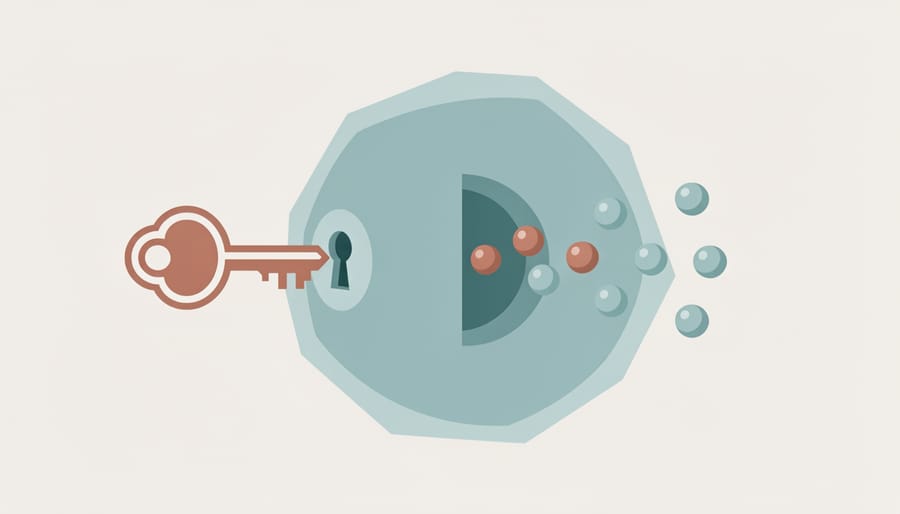
Think of insulin as a key and your cells as locked doors. When your pancreas releases insulin into your bloodstream, it travels to cells throughout your body and “unlocks” them, allowing glucose to enter. Once inside the cell, glucose gets converted into energy that powers everything from your heartbeat to your thoughts.
Your pancreas sits behind your stomach and contains clusters of specialized cells called beta cells. These beta cells constantly monitor your blood sugar levels. When glucose rises after eating, beta cells spring into action and release insulin. As glucose moves from your bloodstream into cells, blood sugar levels drop back to normal, and insulin production tapers off. This cycle repeats itself dozens of times each day in people with healthy pancreatic function.
- Insulin
- A hormone produced by the pancreas that enables cells to absorb glucose from the bloodstream for energy.
- Glucose
- A simple sugar that serves as the body’s primary energy source, derived from the breakdown of carbohydrates in food.
- Pancreas
- An organ behind the stomach that produces insulin and other hormones essential for blood sugar regulation.
- Beta Cells
- Specialized cells within the pancreas that detect blood sugar levels and produce insulin in response to rising glucose.
- Insulin Resistance
- A condition where cells don’t respond properly to insulin’s signal, requiring more insulin to achieve the same glucose-lowering effect.
- Insulin Deficiency
- A state where the pancreas produces little or no insulin, requiring external insulin to survive.
The timing and amount of insulin release matters tremendously. Your body needs just enough insulin to clear glucose from the blood without dropping levels too low. In a healthy system, this balance happens automatically. Beta cells release small amounts of background insulin between meals to maintain steady baseline glucose, then surge production when you eat.
When this elegant system breaks down through beta cell destruction or insulin resistance, blood sugar regulation fails. Glucose accumulates in the bloodstream while cells starve for fuel, creating the dangerous metabolic disruption that defines diabetes.
How Insulin Works to Control Blood Sugar

When you eat a meal, your blood sugar begins to rise as carbohydrates break down into glucose. Your pancreas detects this increase and releases insulin into your bloodstream, think of it as dispatching a fleet of molecular messengers to handle the incoming glucose. These insulin molecules travel through your blood until they reach cells throughout your body, where they bind to specific insulin receptors on the cell surface.
This binding triggers what scientists call the insulin signaling pathway. The insulin receptor acts like a switch that activates a cascade of chemical reactions inside the cell. One crucial step involves moving glucose transporter proteins (called GLUT4) from their storage spots inside the cell to the cell membrane. Once these transporters reach the surface, they create channels that allow glucose to pass from your bloodstream into the cell, where it can be used for energy or stored for later use.
The complete process follows these steps:
- Carbohydrates from food break down into glucose in your digestive system
- Rising blood glucose triggers your pancreas to release insulin
- Insulin travels through your bloodstream and binds to receptors on muscle, fat, and liver cells
- The insulin signal activates glucose transporters inside cells to move to the cell surface
- Glucose moves from blood into cells through these transporter channels
- Blood sugar levels drop back to normal range as cells absorb the glucose
- Cells convert glucose to energy or store it as glycogen for future needs
When this system works properly, your blood sugar stays within a healthy range of roughly 70 to 140 mg/dL throughout the day. The pancreas releases just enough insulin to match the glucose entering your bloodstream, maintaining a delicate balance.
When something goes wrong with this process, blood sugar regulation fails. Without sufficient insulin or properly functioning insulin receptors, glucose remains trapped in your bloodstream instead of entering cells. Blood sugar climbs to dangerous levels while your cells essentially starve, unable to access the fuel circulating just outside their walls. This is the core problem in diabetes, a breakdown in insulin’s ability to move glucose where your body needs it.
Different Types of Insulin Problems in Diabetes

Type 1 Diabetes: When Insulin Production Stops
In type 1 diabetes, the body’s immune system mistakenly attacks and destroys the beta cells in the pancreas, the specialized cells responsible for producing insulin. This autoimmune process typically happens over months or years, though symptoms often appear suddenly once most beta cells are gone. Without functioning beta cells, the pancreas produces little to no insulin at all.
This complete insulin deficiency means glucose cannot enter cells no matter how much is circulating in the bloodstream. Blood sugar rises to dangerous levels while cells essentially starve, unable to access their primary fuel source. The body begins breaking down fat and muscle for energy, producing ketones that can lead to diabetic ketoacidosis, a life-threatening emergency if untreated.
That’s why external insulin isn’t optional for people with type 1 diabetes; it’s a life-sustaining medication they need every single day. Multiple daily insulin doses or an insulin pump replace what the pancreas can no longer make, allowing glucose to reach cells and preventing both immediate crises and long-term complications. Combined with blood sugar monitoring and diabetes diet tips insulin therapy enables people with type 1 to live full, active lives.
Type 2 Diabetes: When Insulin Stops Working Effectively
Type 2 diabetes develops when your body stops responding well to insulin, a problem called insulin resistance. Your cells essentially ignore insulin’s signal to absorb glucose, forcing your pancreas to pump out more and more insulin to get the same effect. For months or years, your pancreas keeps up with this extra demand, producing two or three times the normal amount of insulin to overcome the resistance.
Over time, though, the insulin-producing beta cells wear out from this relentless overwork. They start producing less insulin, and eventually many of them fail completely. This combination, insulin that doesn’t work properly plus declining insulin production, creates progressively worsening blood sugar control.
This explains why type 2 treatment varies so much between people. Someone newly diagnosed with strong insulin production might manage well with lifestyle changes and medications that improve insulin sensitivity or help their pancreas work more efficiently. But as beta cells decline, external insulin becomes necessary to fill the gap, not because the diabetes “got worse,” but because the underlying biology has progressed. Understanding what stage you’re at helps determine what actually helps in your specific situation, working with your healthcare team to match treatment to your body’s current needs.
How Insulin Is Used to Manage Diabetes
Types of Insulin Medications
There are four main categories of insulin medications, each designed to work at different speeds and durations to mimic how your body naturally produces insulin throughout the day.
Rapid-acting insulin starts working within 10 to 15 minutes and peaks around one hour after injection. It typically lasts three to five hours. People use this type right before or during meals to cover the glucose spike from eating. Examples include insulin lispro, aspart, and glulisine.
Short-acting (regular) insulin takes effect in 30 minutes, peaks at two to three hours, and lasts five to eight hours. It’s also used for mealtime coverage but requires taking it 30 minutes before eating, making it less flexible than rapid-acting options.
Intermediate-acting insulin begins working in one to two hours, peaks around four to six hours, and provides coverage for 12 to 18 hours. NPH insulin is the most common type in this category. It helps control blood sugar between meals and overnight.
Long-acting (basal) insulin provides steady background coverage for 24 hours or longer with minimal peaks. Formulations like glargine, detemir, and degludec work slowly and predictably, mimicking the pancreas’s baseline insulin production. This type forms the foundation of many insulin regimens.
Most people using insulin therapy combine these types. A typical regimen pairs long-acting insulin for baseline control with rapid-acting doses at meals, creating a pattern that closely resembles natural insulin secretion and responds to your body’s changing needs throughout the day.
Modern Insulin Delivery Methods
Delivering insulin has evolved dramatically beyond the glass syringes of decades past. Today, you have multiple options that balance convenience, precision, and lifestyle fit. Common delivery methods include:
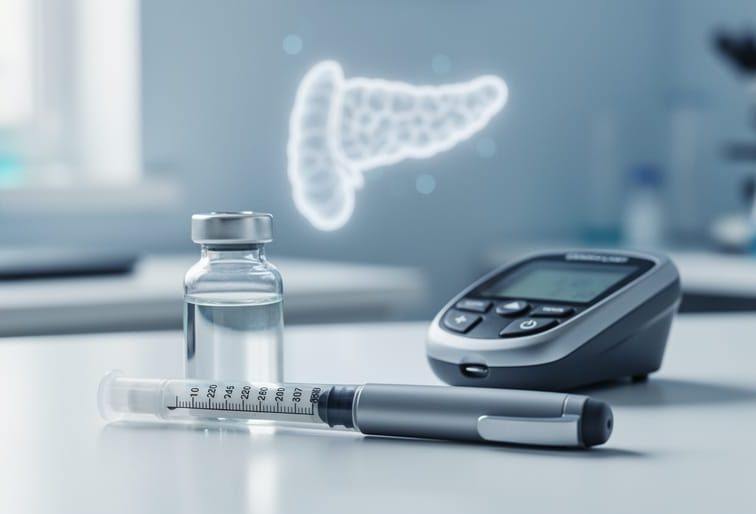
- Syringes: Most affordable option, reliable and simple, though requiring vial handling and manual measurement
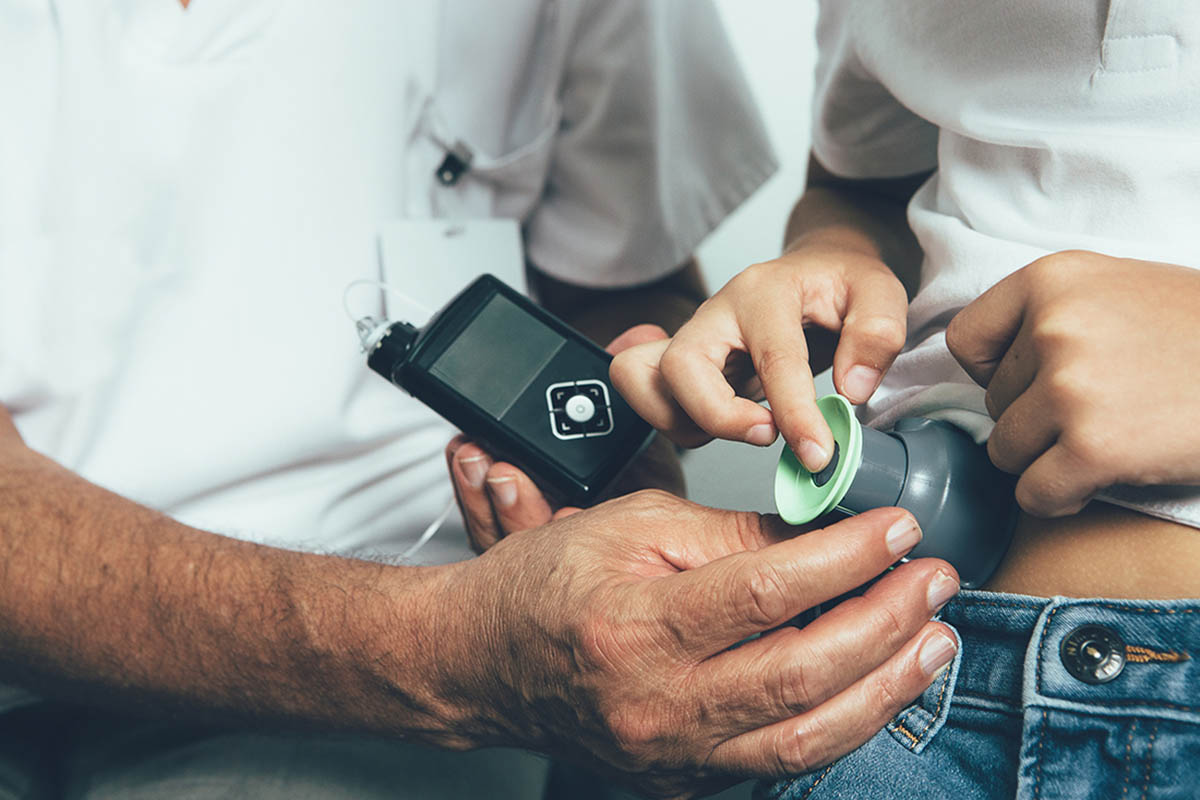
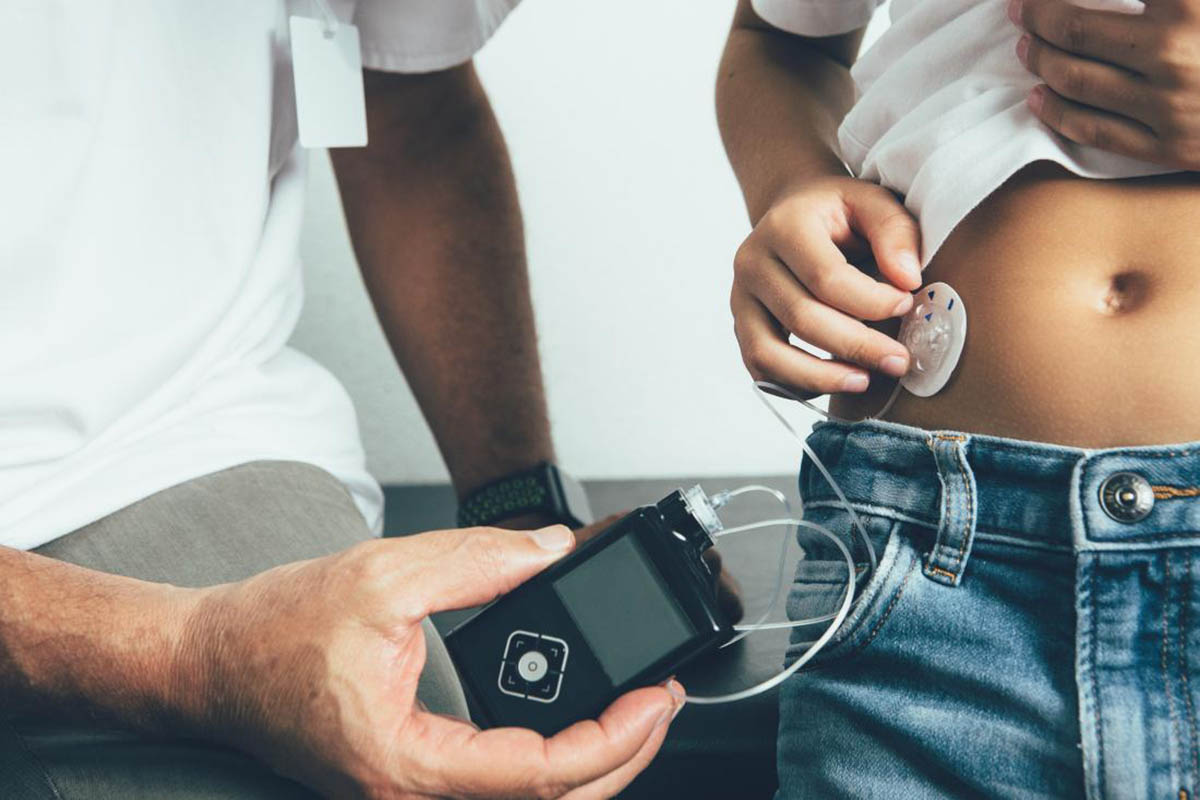
- Insulin pumps: Continuous subcutaneous delivery through a small catheter, eliminating multiple daily injections and allowing precise micro-dosing
- Smart pumps with CGM integration: Automated insulin delivery systems that adjust basal rates based on real-time glucose readings, reducing manual decision-making
Continuous glucose monitors work alongside pumps in what’s often called a “closed-loop” or hybrid closed-loop system. The CGM tracks your glucose every few minutes and sends data to the pump, which can automatically increase, decrease, or suspend insulin delivery. These systems still require user input for meals but handle background adjustments throughout the day and night. This pairing has transformed diabetes management for many people, reducing both dangerous lows and stubborn highs while decreasing the mental burden of constant calculations.
Regardless of which method you choose, you’ll need to store insulin safely to maintain its effectiveness. Your healthcare team can help you select the delivery method that matches your lifestyle, insurance coverage, comfort level with technology, and diabetes management goals.
Living Successfully with Insulin Therapy
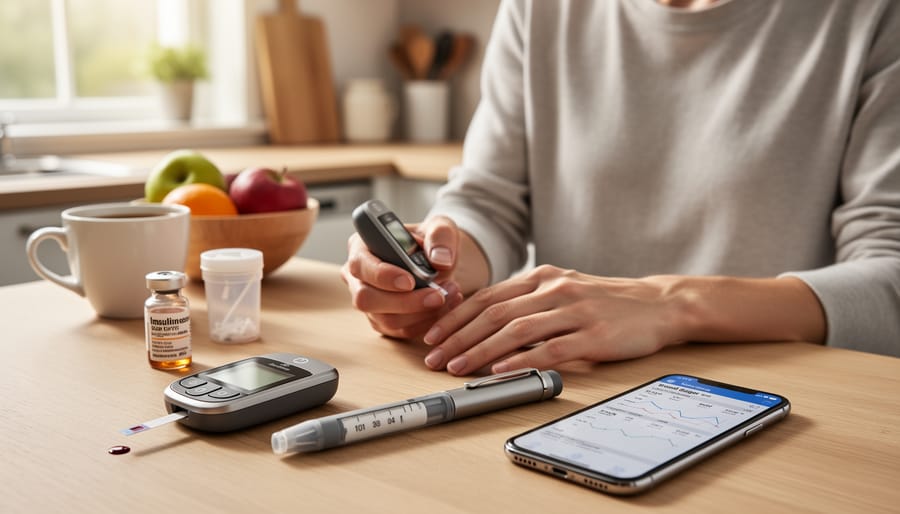
Starting insulin therapy marks a turning point in diabetes management, and thousands of people discover they actually feel better once their blood sugar stabilizes. The initial learning curve exists, but it gets easier. Within weeks, checking blood sugar and dosing insulin becomes routine rather than overwhelming.
The key is building habits that fit your lifestyle. Many people find success by tying insulin tasks to existing routines, testing before meals you already eat, keeping supplies in places you already use. Setting phone reminders helps until the pattern sticks. Keeping a simple log for the first month reveals patterns that make future adjustments easier.
Storage matters more than you might expect. Learning how to keep insulin effective prevents frustrating blood sugar swings caused by degraded insulin. Most people develop a system: refrigerator stock, current pen at room temperature, backup supplies in predictable spots.
Common challenges have straightforward solutions. Forget a dose? Your healthcare team will give you catch-up guidelines. Nervous about injections? Today’s needles are shorter and thinner than ever, most people report feeling less than a mosquito bite. Worried about eating out? Carb-counting apps and insulin calculators make restaurant meals manageable.
Sarah, diagnosed with type 1 at 28, remembers feeling devastated initially. Two years later, she runs marathons and credits stable energy levels from proper insulin management. Marcus switched to insulin for his type 2 diabetes after years of struggling with pills alone. His A1C dropped from 9.2% to 6.8% within four months, and he stopped experiencing afternoon crashes.
The technology available in 2026 transforms daily management. Smart pens track doses automatically. Pumps and continuous glucose monitors communicate to adjust insulin delivery. These tools don’t eliminate all effort, but they significantly reduce guesswork.
Connection matters too. Online communities, local support groups, and diabetes educators provide practical tips that clinical appointments sometimes miss, like the best spots to wear a pump during exercise or how to manage insulin during travel across time zones.
Common Questions About Insulin and Diabetes
Why can’t people with type 1 diabetes just take pills instead of insulin?
Type 1 diabetes destroys the pancreatic cells that produce insulin, meaning the body makes little to no insulin at all. Pills for diabetes work by helping the body use its own insulin more effectively or by stimulating more insulin production, but they can’t create insulin from nothing, which is why external insulin is essential for survival in type 1.
Does needing insulin mean my diabetes is worse or that I’ve failed?
Absolutely not. Needing insulin is simply a reflection of your body’s biology, not a personal failure or a sign that your diabetes is more severe. Many people with type 2 diabetes eventually need insulin because the pancreas naturally produces less over time, regardless of how well you’ve managed your condition, and starting insulin often leads to better blood sugar control and improved energy.
Can you ever stop taking insulin once you start?
For type 1 diabetes, insulin is a lifelong necessity because the body cannot produce it. Some people with type 2 may reduce or stop insulin if significant lifestyle changes, weight loss, or other medications improve their insulin sensitivity enough, but this varies individually and requires close medical guidance.
Will taking insulin make me gain weight?
Insulin can contribute to weight gain in some people because it helps cells absorb glucose, and any excess gets stored as fat. However, poor blood sugar control without adequate insulin often causes weight loss through glucose being lost in urine, so when insulin brings sugars under control, your body retains nutrients properly, which some experience as weight stabilization rather than problematic gain.
Is insulin dangerous or a last resort treatment?
Insulin is one of the safest and most effective diabetes treatments available when used correctly. It’s not a dangerous last resort, it’s a replacement for a hormone your body needs, and starting it earlier rather than delaying often prevents complications and improves quality of life.
How does insulin therapy affect long-term health outcomes?
Proper insulin therapy significantly reduces the risk of diabetes complications like nerve damage, kidney disease, and vision problems by maintaining healthy blood sugar levels. People who optimize their insulin regimen often see improvements in their type 2 outlook and overall wellbeing, with better energy and fewer symptoms.
These questions reflect real concerns people have when facing insulin therapy, but the answers consistently point to a reassuring truth: insulin is a tool, not a judgment. Many people worry that starting insulin signals failure or declining health, when it actually represents taking control with the most direct, effective treatment available. Working closely with your healthcare team helps you find the right insulin approach for your specific needs, whether that means fine-tuning doses, exploring pump technology, or combining insulin with other medications. The goal is always the same, stable blood sugars that let you live fully and protect your long-term health.
Understanding insulin’s role changes everything about managing diabetes. Whether your body stopped making insulin, can’t use it effectively, or needs support during pregnancy, knowing how this hormone works gives you power over your condition rather than letting it control you.
Insulin isn’t just medication for people with diabetes. It’s a fundamental hormone that everyone needs to survive. When your body can’t produce or use it properly, modern insulin therapy steps in to fill that gap. The options available in 2026, from smart insulin pens to automated pump systems that communicate with continuous glucose monitors, make management more precise and less burdensome than ever before.
You don’t have to figure this out alone. Your healthcare team can help you find the right insulin regimen, delivery method, and monitoring approach that fits your life. Many people initially fear starting insulin therapy, but most find that it actually improves their energy, reduces symptoms, and gives them better control over their blood sugar levels.
The more you learn about how insulin works in your body, the better equipped you’ll be to make informed decisions about your care and live fully with diabetes.